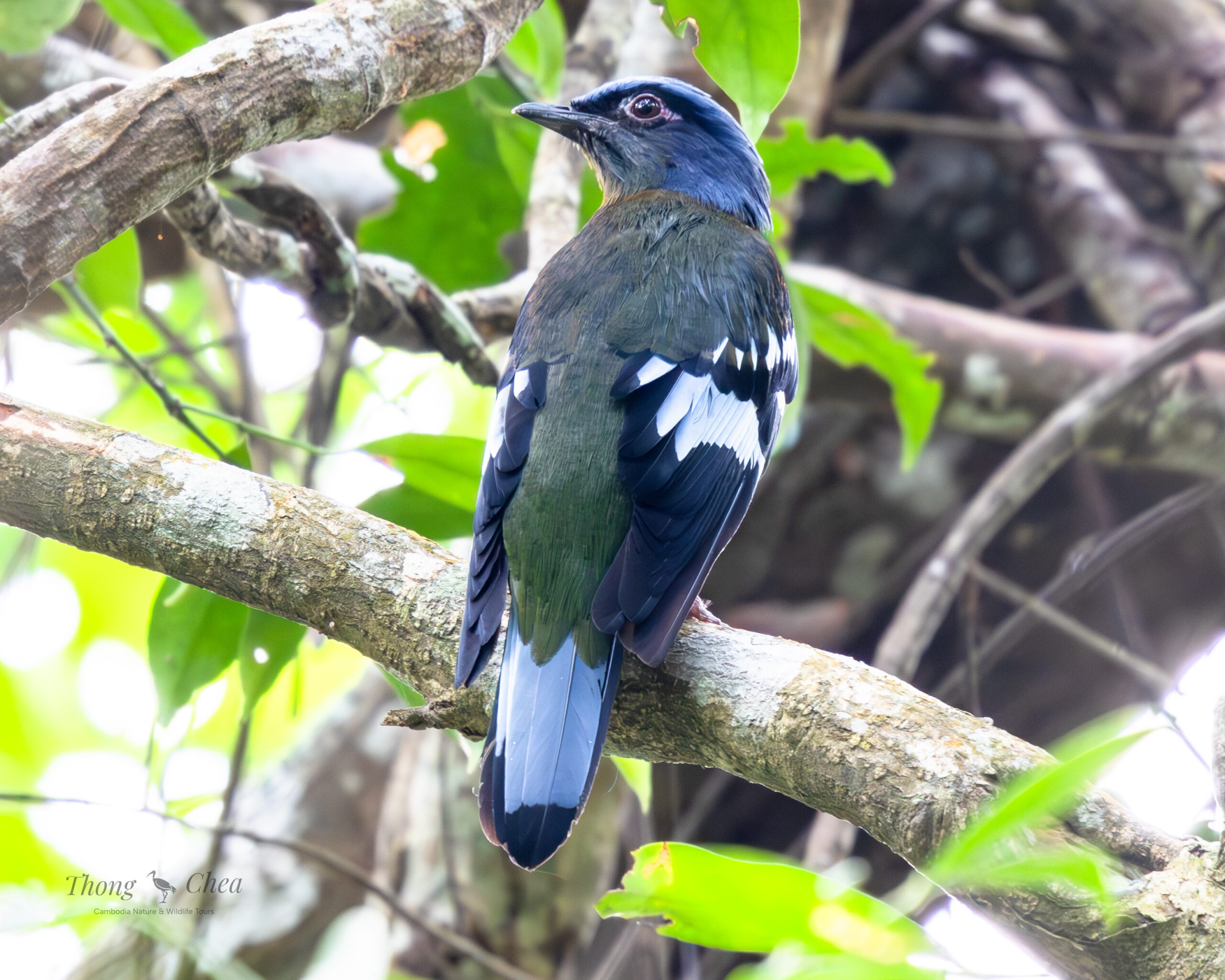
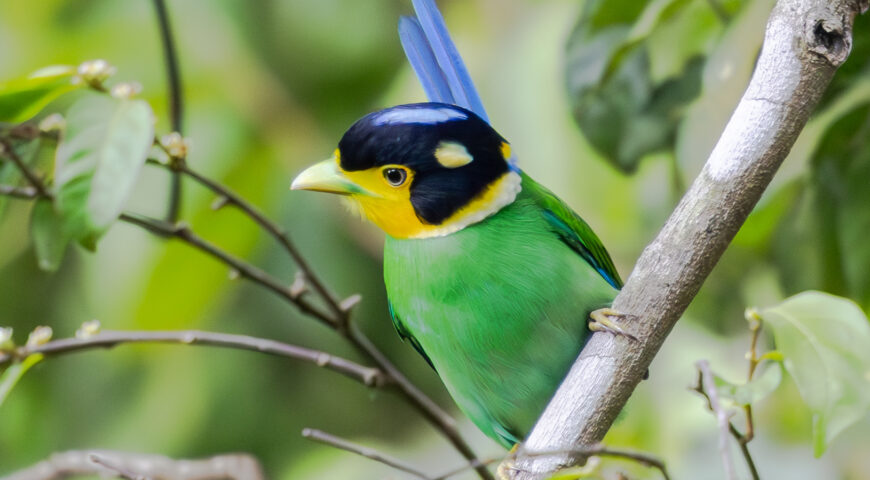
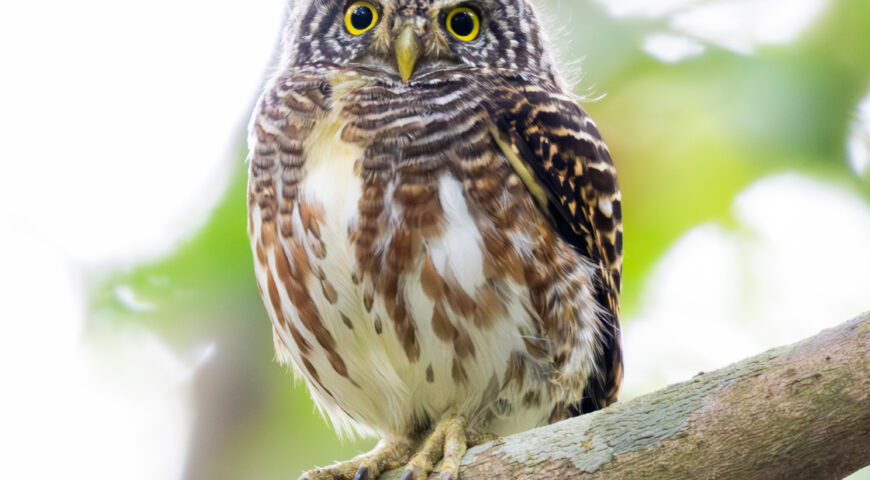
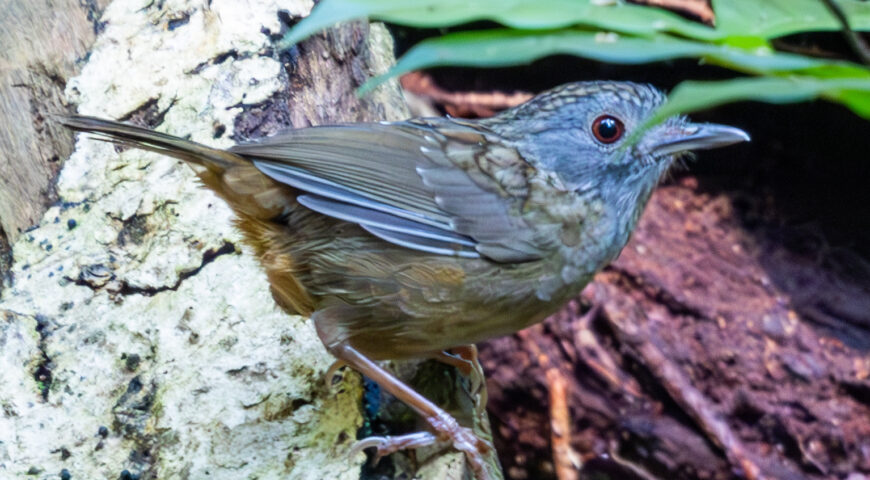
Aural Mountain Birding Report (2024–2025)
Aural Mountain Birding Report (2024–2025)
Organized by Vana Adventure Travel
www.vanatravel.com
Introduction
Between March 2024 and April 2025, Vana Adventure Travel organized three birdwatching
expeditions and over twenty trekking trips to Aural Mountain, the highest peak in Cambodia.
These trips were conducted with a focus on ecological tourism and biodiversity observation.
Aural Mountain, rising to 1,813 meters above sea level, lies on the eastern edge of the Cardamom
Mountains, one of Southeast Asia’s most biologically rich and ecologically significant regions. The
area offers a remarkable variety of habitats, supporting an extensive diversity of avian life,
including several endemic species and distinctive subspecies.
I. Endemic and Notable Subspecies of Aural Mountain
During our guided expeditions, our birding experts recorded over 100 bird species, including rare
and endemic birds unique to Cambodia. Some of the highlights include:
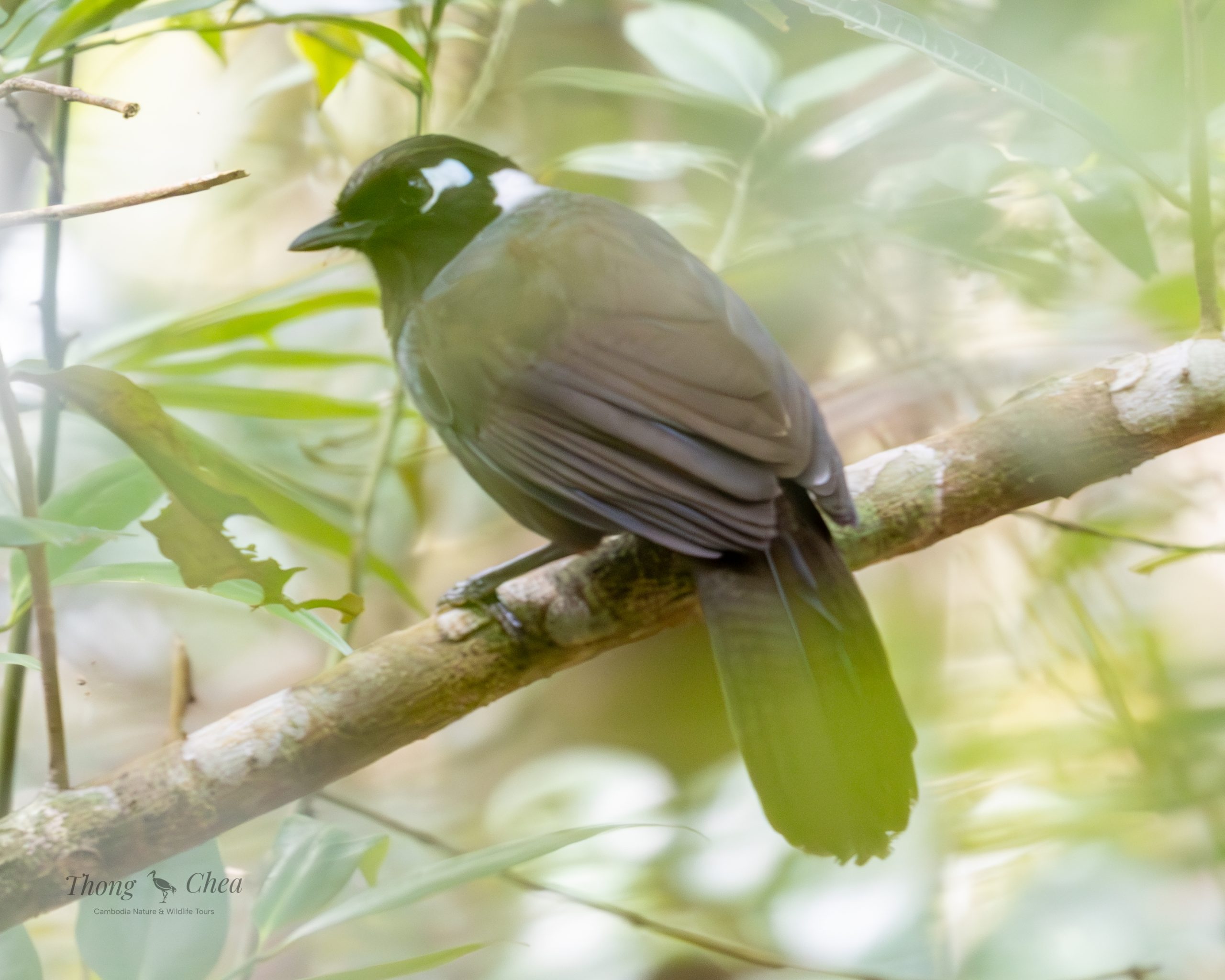
1. Cambodian Laughingthrush (Garrulax ferrarius)
A shy and elusive bird, endemic to the highland forests of southwestern Cambodia. Usually found
in dense undergrowth, it is known for its loud, musical calls and gregarious behavior.
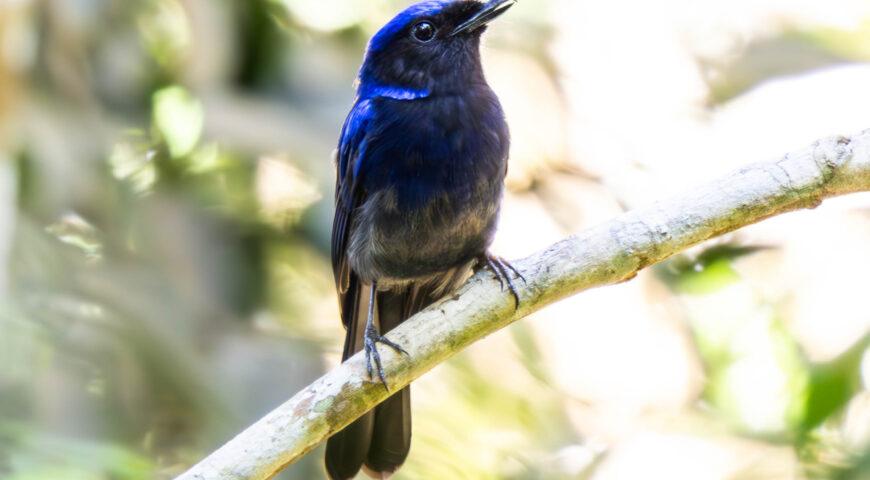
2. Cambodian Blue Robin (Myiomela cambodiana)
This recently identified species/subspecies inhabits dense, moist broadleaf evergreen forests,
especially in scrubby undergrowth and near flowing streams in river valleys. Males are visually
striking, with rich blue plumage. Its presence further confirms the uniqueness of the Cardamom
Mountain ecosystem.
3. Cambodian Flowerpecker (Dicaeum cambodianum)
A range-restricted species found only in the Cardamom Mountains (extending slightly into eastern
Thailand). The adult male is dark blue above and creamy white below with a distinct black stripe
on the belly. The species was previously considered a subspecies of the Fire-breasted
Flowerpecker, but recent studies elevate its status to a separate species.
4. Mountain Bulbul (Ixos mcclellandii)A widespread but regionally variable bulbul, commonly seen at mid to high elevations. Its
melodic, flute-like call is a familiar sound in the upper forests of Aural Mountain.
II. Comprehensive Bird List of Aural Mountain (2024–2025)
Our observations are divided into two elevation zones:
• Zone A: From foothill to the first camp (~200m–600m)
• Zone B: From first camp to the summit (~600m–1,813m)
A. Zone A – Foothill to First Camp
This zone features a mix of cultivated fields, bamboo groves, secondary forests, and freshwater
streams. Notable species recorded include:
1. Chinese Francolin
2. Chestnut-headed Bee-eater
3. Coppersmith Barbet
4. White-throated Kingfisher
5. Asian Green Bee-eater
6. Common Flameback
7. Black Drongo
8. Black Eagle
9. Alexandrine Parakeet
10. Cambodian Flowerpecker
11. Rufescent Prinia
12. Ashy Drongo
13. Red-wattled Lapwing
14. Scarlet Minivet
15. Racket-tailed Drongo
16. Taiga Flycatcher
17. Asian Fairy-bluebird18. Golden-fronted Leafbird
19. Little Spiderhunter
20. Crested Treeswift
21. Black-naped Oriole
22. Orange-headed Thrush
23. Collared Owlet
24. White-crested Laughingthrush
25. Crested Serpent Eagle
26. Indochinese Roller
27. Dark-necked Tailorbird
28. Black-crested Bulbul
29. Common Tailorbird
30. Blue-winged Pitta
31. Red-collared Dove
32. Asian Brown Flycatcher
33. Thick-billed Green Pigeon
34. Scarlet-backed Flowerpecker
35. White-rumped Munia
36. White-rumped Shama
37. Green-billed Malkoha
38. Lineated Barbet
39. Ashy Minivet
40. Grey Wagtail
41. Hainan Blue Flycatcher
42. Black-winged Cuckoo shrike
43. Brown Shrike44. Small Buttonquail
45. Lesser Whistling Duck
46. Javan Pond Heron
47. Spotted Dove
48. Oriental Magpie-robin
49. Ornate Sunbird
50. Red-breasted Parakeet
51. Asian pied Starling
52. Verditer hanging parrot
B. Zone B – First Camp to Summit
This higher elevation zone offers dense, primary forest, with steep slopes, cool temperatures,
and richer biodiversity. Species of note include:
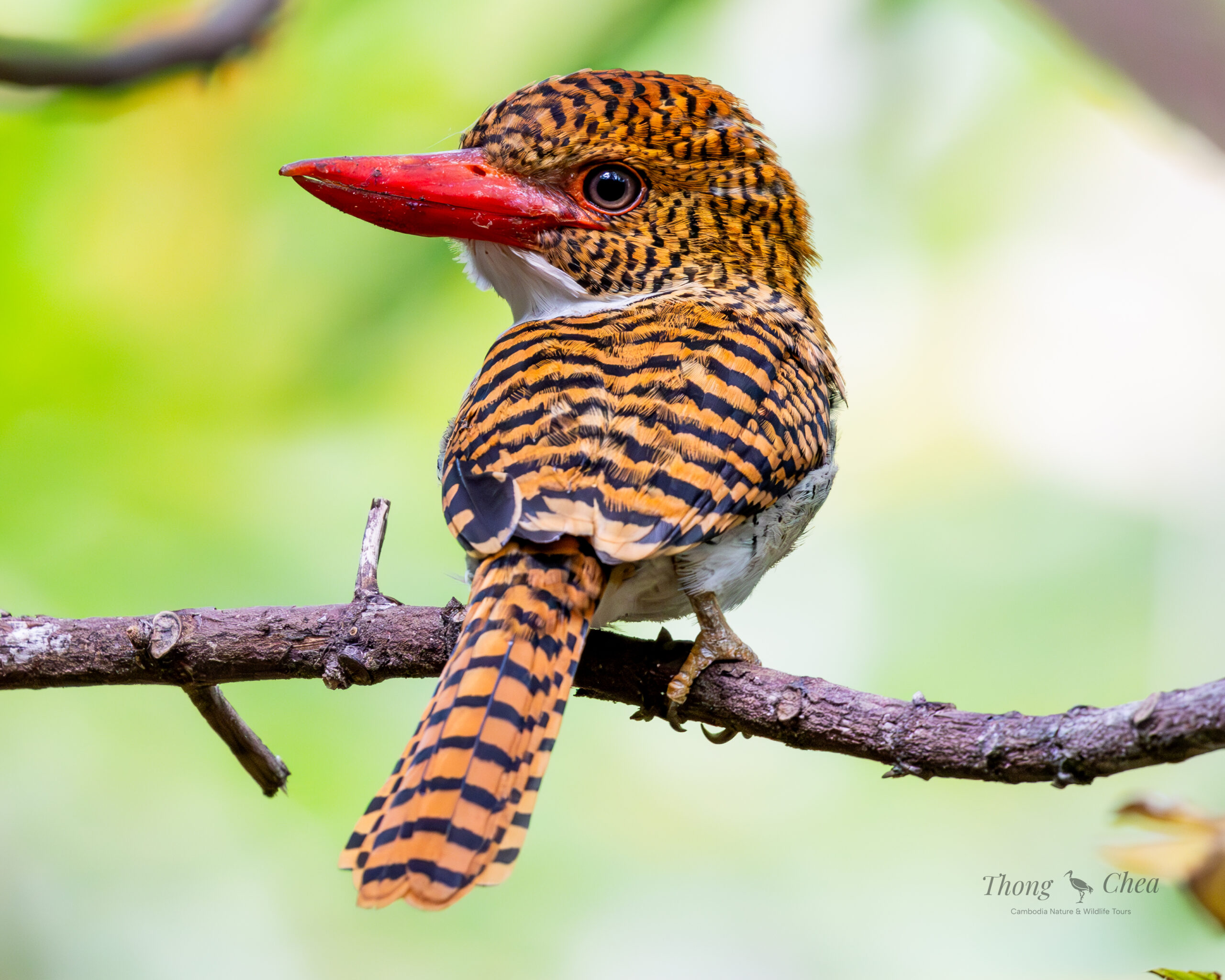
53. Banded Kingfisher
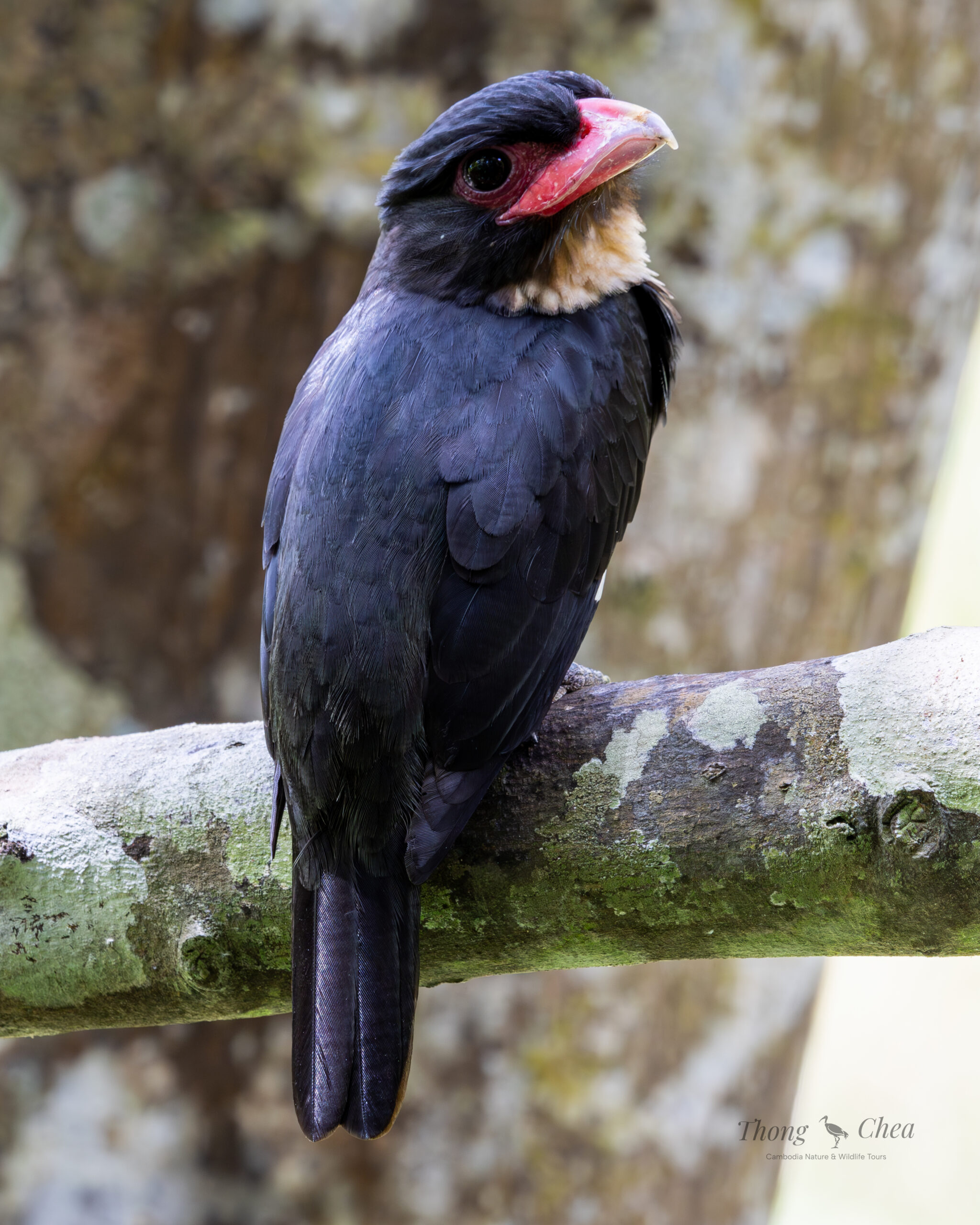
54. Dusky Broadbill
55. Bamboo Woodpecker
56. Little Hornbill
57. Great Hornbill
58. Wreathed Hornbill
59. Grey-headed Canary-flycatcher
60. White-throated Rock Thrush
61. Orange-headed Rock Thrush
62. Orange-breasted Trogon
63. Mountain Bulbul
64. Green Imperial Pigeon
65. Mountain Scops Owl
66. White-browed Scimitar-Babbler67. Eared Pitta
68. Cambodian Laughingthrush
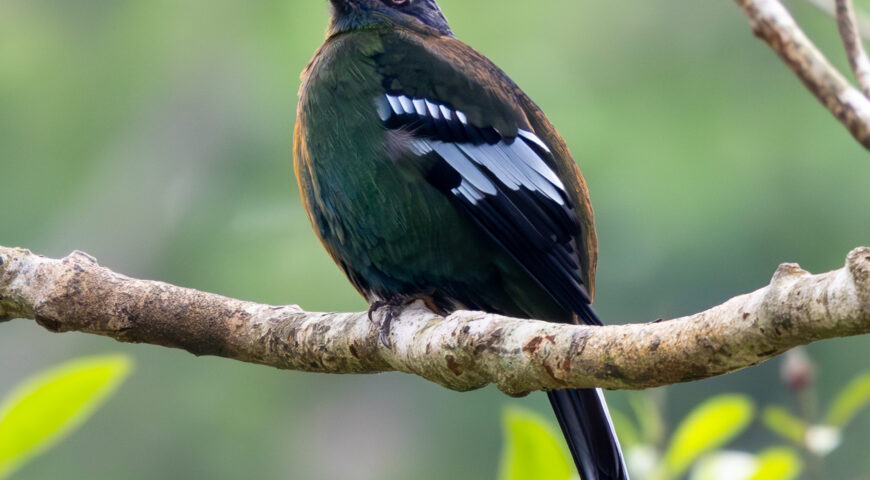
69. Green Cochoa
70. Banded Bay Cuckoo
71. Large Wood shrike
72. White-browed Shrike-babbler
73. Brown Drongo
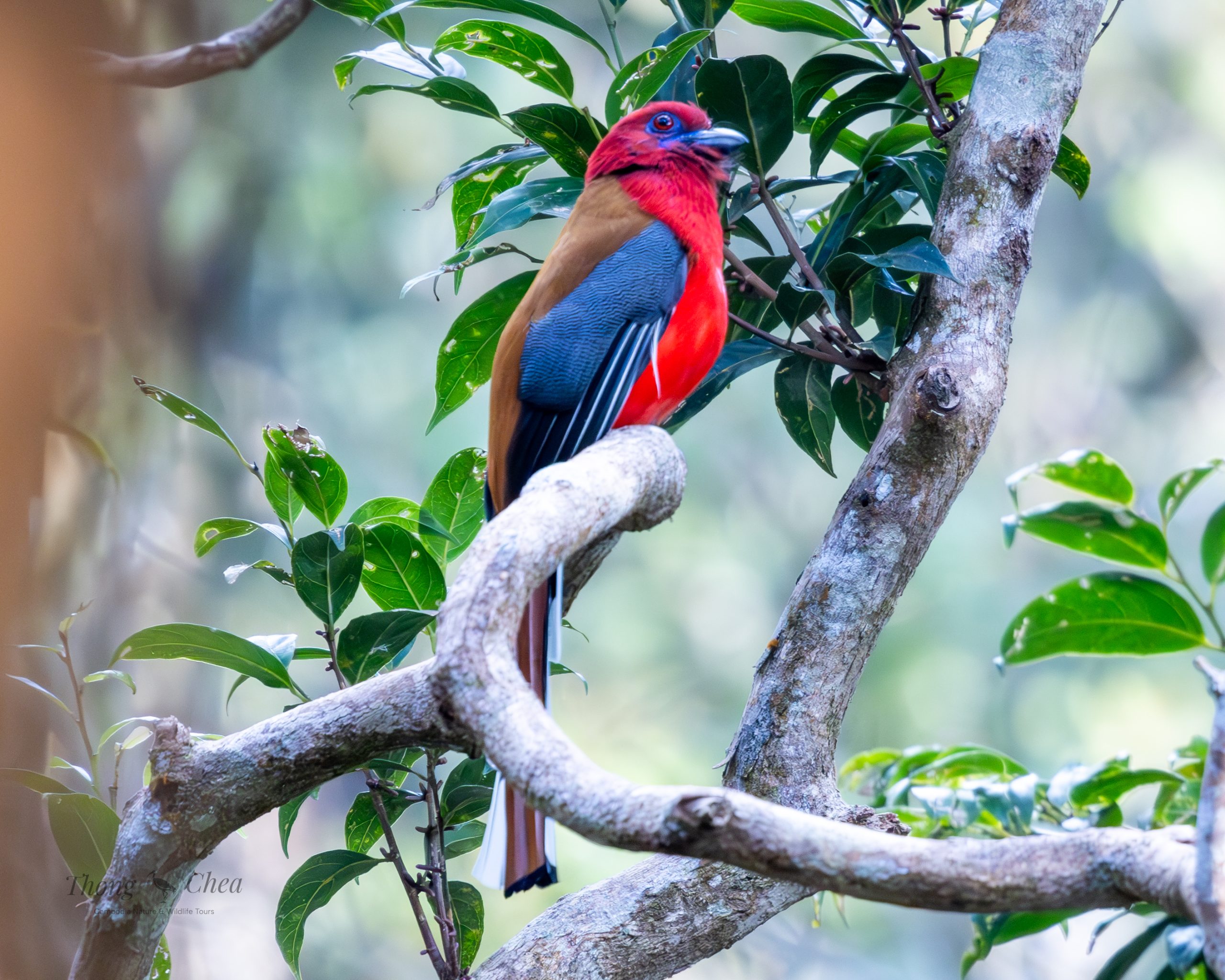
74. Red-headed Trogon
75. Lesser Necklaced Laughingthrush
76. Blue-winged Minla
77. Long-tailed Broadbill
78. Asian Barred Owlet
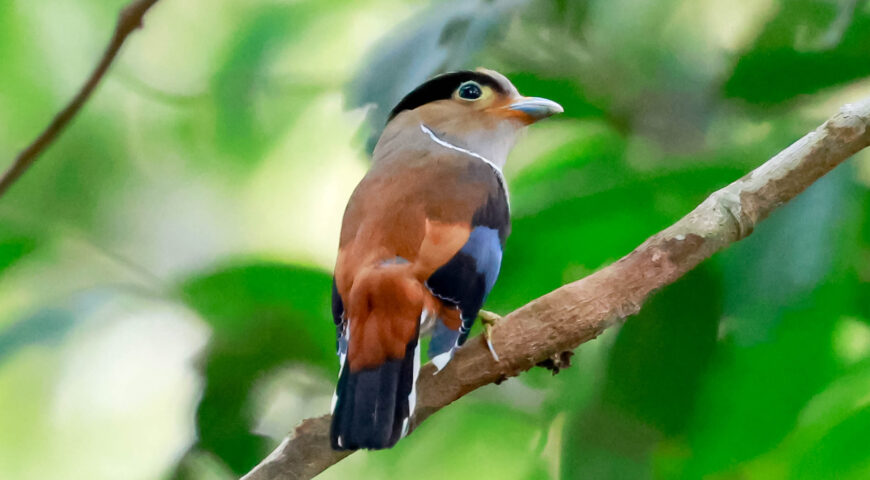
79. Silver-breasted Broadbill
80. Silver Pheasant
81. Black-throated Sunbird
82. Large Niltava
83. Indochinese Blue Flycatcher
84. Verditer Flycatcher
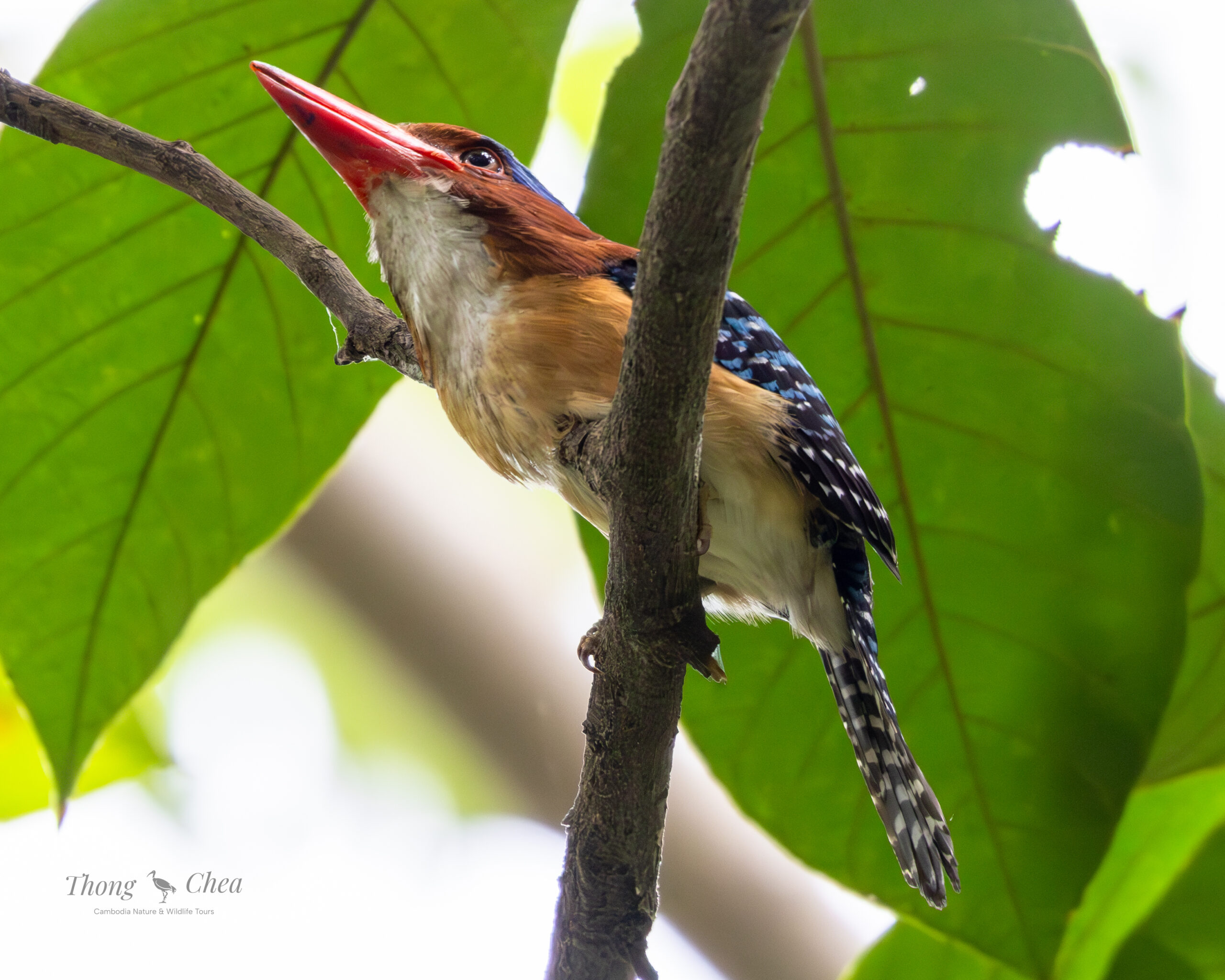
85. Blue-bearded Bee-eater
86. White throated pied fantail
87. Bar-winged Flycatcher-shrike
88. Large-tailed Nightjar
89. Streaked Wren-babbler
90. Rufous-bellied Eagle
91. Pin-striped Tit-babbler
92. Oriental Honey Buzzard93. Grey-chinned Minivet
94. Mustached Barbet
95. Blue Pitta
96. Mugimaki Flycatcher
97. Chestnut-headed Partridge
98. Siberian Thrush
99. Black hooded Oriole
100. Velvet fronted Nuthatch
III. How to Get There & Birding Tips
Aural Mountain is accessible from Kampong Speu Province, approximately 2–3 hours by road
from Phnom Penh. The trail to the summit begins in the village of Tropaing Chor, where local
porters and guides assist visitors with multi-day treks. The length of the trip could be between 3 day to 4 days or more if needed.
Travel and Birding Recommendations:
• Best birding seasons: February to June (breeding season), and October to January (dry
season).
• Bring binoculars, spotting scopes, field guides, and sound recording devices for call
identification.
• Be prepared for steep terrain, humid conditions, and overnight camping at elevation.
• Respect local communities and forest conservation regulations.
Conclusion
Aural Mountain is one of Cambodia’s most important birding and ecotourism destinations. With
over 100 species recorded—including endemic, rare, and range-restricted birds—the area offers
invaluable opportunities for scientific research, nature photography, and sustainable tourism.
Vana Adventure Travel remains committed to responsible ecotourism and invites birdwatchers,
conservationists, and adventure seekers to experience the biodiversity of Aural firsthand.